/Brand/Logos/Kelly%20Partners%20Accountants%20Logo/Kelly-Partners-Accountants-Horizontal-Logo.webp?width=1500&height=212&name=Kelly-Partners-Accountants-Horizontal-Logo.webp "Kelly-Partners-Accountants-Horizontal-Logo")
/Brand/Logos/Kelly%20Partners%20Accountants%20Logo/Kelly-Partners-Accountants-Horizontal-Logo.webp?width=270&height=39&name=Kelly-Partners-Accountants-Horizontal-Logo.webp "Kelly+Partners Accountants")


Inspired by Harvard Health Publishing’s article, “A brief fitness test may predict how long you’ll live” (October 2025).
Many people think of fitness as being all about cardio — brisk walks, runs, or gym workouts. But according to a study published in the European Journal of Preventive Cardiology (June 2025) and discussed by Harvard Health Publishing, a simple “sit-to-rise” test could offer surprising insight into your overall health and even longevity.
What Is the Sit-to-Rise Test?
The concept is simple: from a standing position, sit down on the floor and then stand back up — without using your hands, knees, or any support for balance. Researchers found that middle-aged and older adults who could perform the movement unassisted were less likely to die (particularly from cardiovascular disease) within the following decade.
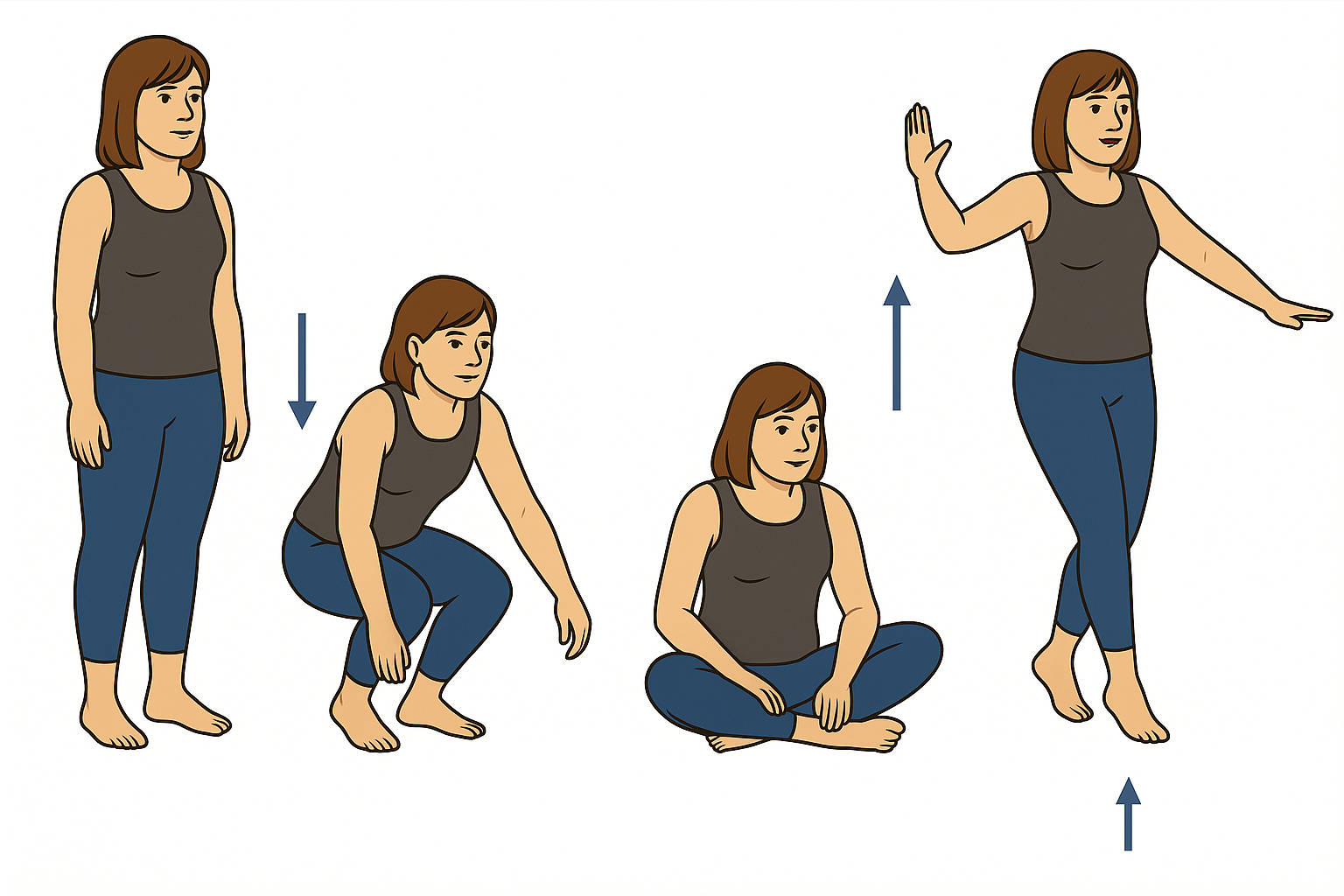
The study tracked over 4,200 participants aged 46–75 for about 12 years. Participants started with 10 points and lost 1 point each time they needed support and 0.5 points for instability. Those scoring between 4.5 and 7.5 were about three times more likely to die during the follow-up period, while those scoring below 4 had up to six times greater risk of dying of cardiovascular disease compared to people who scored a perfect 10.
Why It Matters
The sit-to-rise test measures strength, flexibility, and balance — three key pillars of physical health that often decline with age. As Eric L’Italien, a physical therapist at Harvard-affiliated Spaulding Rehabilitation Hospital, explained, these qualities are essential to staying active and independent in later life.
While aerobic fitness is important, incorporating strength training, yoga, or tai chi into your routine can support balance and flexibility —crucial for overall mobility and well-being.
How to Try It Safely
If you decide to try this test, always proceed with caution:- Avoid it if you have joint issues (such as hip, knee, or spine arthritis).
- Have someone nearby for safety.
- Wear comfortable clothing and use a soft surface, such as a yoga mat.
- Start with support if needed and gradually build toward using fewer supports over time.
Exercises to Improve Your Mobility
Harvard Health suggests three simple exercises that can help improve your score and functional fitness:

Stationary Lunges
Build leg strength and balance by lowering your body slowly, keeping your front knee over your ankle.
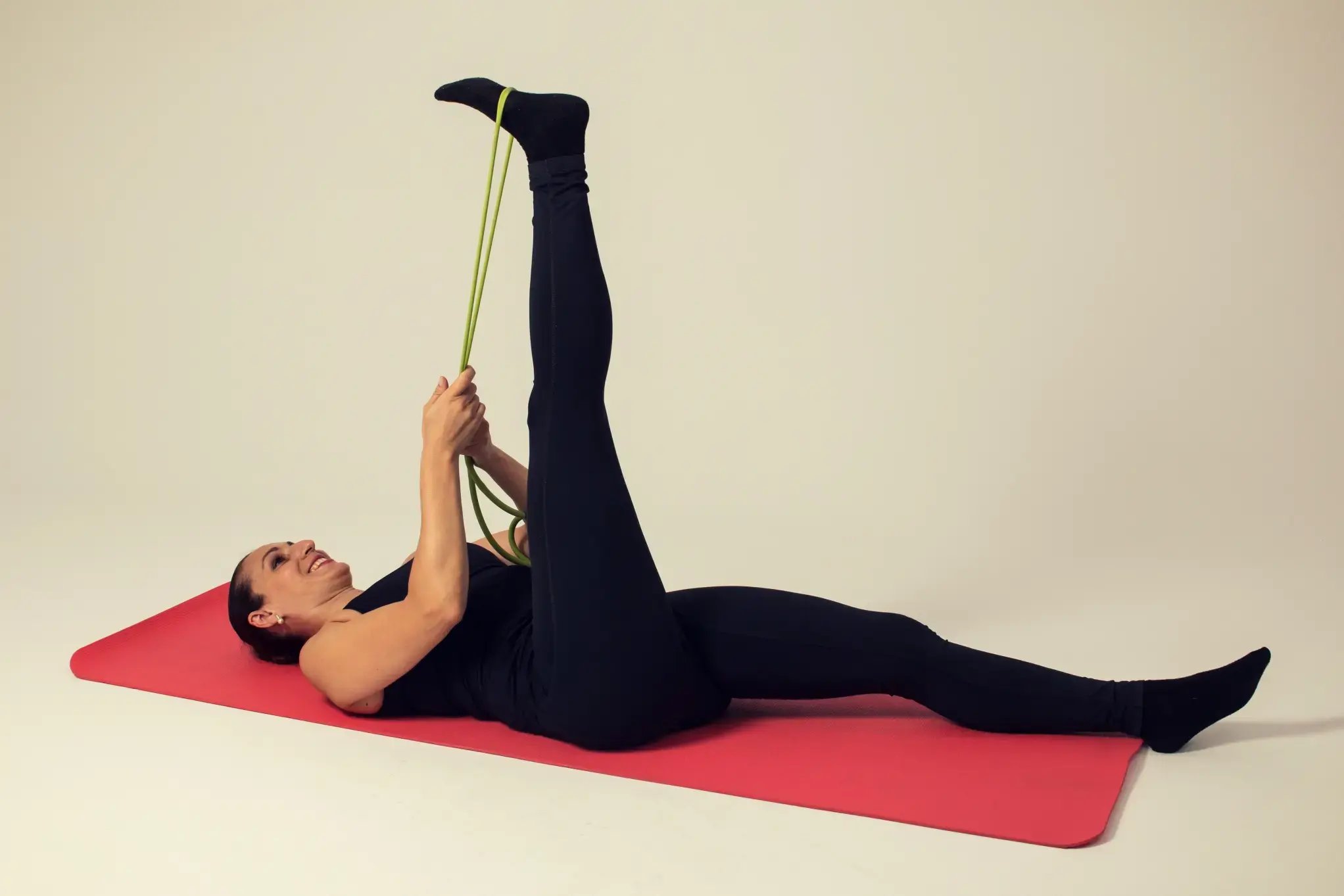
Hamstring Stretch
Use a strap or towel to gently stretch your hamstrings while lying on your back.

Planks
Strengthen your core and improve posture; start with knees on the floor and progress as you get stronger.
The Takeaway
The sit-to-rise test isn’t a medical diagnostic tool — but it’s a simple way to reflect on your mobility, balance, and strength, which play a vital role in maintaining long-term health and independence. Always consult a healthcare professional before attempting new exercises or fitness assessments, especially if you have existing conditions.
Reference:
Harvard Health Publishing. (2025, October 1). A brief fitness test may predict how long you’ll live. Retrieved from Harvard Health
Share this

The Grip Test: What Your Handshake Says About Your Heart

Revitalise Your Workplace: The Essential Role of Exercise

%201.webp?width=1920&height=809&name=James%20Howard%20Building%201%20(1)%201.webp)