/Brand/Logos/Kelly%20Partners%20Accountants%20Logo/Kelly-Partners-Accountants-Horizontal-Logo.webp?width=1500&height=212&name=Kelly-Partners-Accountants-Horizontal-Logo.webp "Kelly-Partners-Accountants-Horizontal-Logo")
/Brand/Logos/Kelly%20Partners%20Accountants%20Logo/Kelly-Partners-Accountants-Horizontal-Logo.webp?width=270&height=39&name=Kelly-Partners-Accountants-Horizontal-Logo.webp "Kelly+Partners Accountants")


The True Cost of Crew Turnover for McDonald’s® Owners
Crew turnover is a fact of life in quick-service restaurants, but its financial and operational impact is often underestimated. Every time a team member leaves, it ripples across the restaurant—affecting productivity, morale, and ultimately, the bottom line. For McDonald’s® Owner-Operators, understanding the true cost of turnover is essential to protecting profits and building a stable, high-performing team.
Turnover isn’t just a recruitment issue. It’s an operational and financial challenge that shows up in multiple ways, from lost hours to decreased service quality. The restaurants that manage turnover effectively are those that recognize the full picture and take deliberate steps to reduce it.

Understanding the Financial Impact
When a crew member leaves, the immediate cost is recruiting and onboarding a replacement. Advertising for the position, screening applications, conducting interviews, and processing the hire consumes both time and money. Once a new team member starts, training begins. Even with structured programs, it takes time for new employees to reach full productivity. During this period, other team members often absorb additional responsibilities, which can slow service and affect guest satisfaction.
There are also hidden costs. Productivity dips as new employees learn routines. Mistakes may increase, which can lead to waste or minor operational disruptions. Managers spend additional time coaching and monitoring instead of focusing on broader operational priorities. Across weeks and multiple staff changes, these costs accumulate quickly, reducing overall profitability.
The Operational Consequences
Turnover isn’t just a financial burden—it directly affects the restaurant’s daily operations. Consistency suffers when crew experience fluctuates. Guest service quality can drop, speed-of-service targets may slip, and team morale can erode when staff feel overworked or constantly in training mode. Even small gaps in staffing or knowledge can ripple across a shift, creating inefficiencies that become ingrained if not addressed promptly.
Multi-restaurant operators feel these effects even more sharply. When turnover is high across several locations, maintaining system-wide consistency becomes a constant challenge, and small problems can escalate into significant operational issues.
Reducing Turnover Through Strategic Focus
High-performing operators understand that reducing turnover begins with culture and structure, not just incentives. Clear expectations, consistent scheduling, and visible pathways for growth build loyalty. Training that is structured and engaging shortens the ramp-up period, allowing new crew to contribute effectively faster. Attention to morale, recognition, and operational rhythm keeps employees invested in the success of the restaurant rather than looking for the next opportunity.
Another critical element is data. Tracking turnover rates, understanding when and why employees leave, and comparing trends across shifts or stores gives operators actionable insight. Addressing the root causes—whether it’s scheduling conflicts, unclear expectations, or lack of recognition—reduces repeated departures and strengthens overall performance.
Turning Turnover into Opportunity
While some level of turnover is inevitable in quick-service restaurants, understanding its cost and managing it proactively transforms it from a threat into an operational lever. By investing in structured onboarding, effective training, consistent management practices, and data-driven insights, operators create stability that supports profitability, productivity, and team satisfaction.
In the fast-paced world of McDonald’s, operators who control turnover don’t just save money—they gain predictability, stronger teams, and the capacity to focus on growth rather than constant firefighting. Reducing turnover is less about avoiding change and more about managing it intelligently, ensuring the restaurant runs smoothly regardless of personnel shifts.
Share this
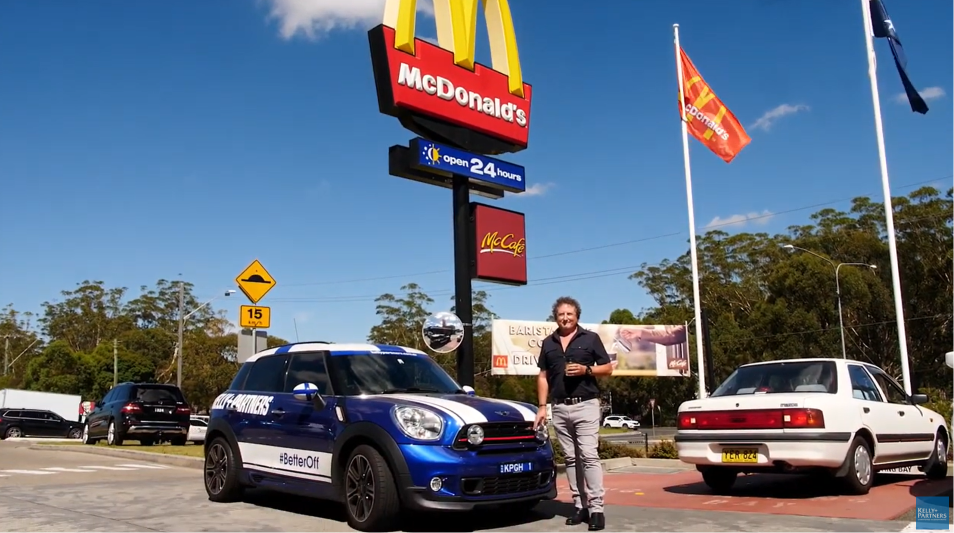
Navigating McDonald's Franchise Success with Mark Halford
%201%20(2).webp)
James Howard CPA Partners with Kelly+Partners

%201.webp?width=1920&height=809&name=James%20Howard%20Building%201%20(1)%201.webp)