Summer Is Coming: Why Your Skin Check Belongs in the Diary
Business owners are good at scheduling what matters: the BAS, the board meeting, the year-end review with their accountant. Yet one of the simplest and most valuable appointments often gets pushed to one day: the skin check.
With the days getting longer and summer around the corner, now is the ideal time to put it in the diary.
Why it matters in Australia
Australia has one of the highest rates of skin cancer in the world. According to Cancer Council Australia, two in three Australians will be diagnosed with some form of skin cancer by the time they are 70, and around 2,000 Australians die from skin cancer each year.
Despite this, research commissioned by TAL found that 63% of Australians hadn't had a skin check in the previous 12 months, and around 30% had never had one at all.
For people who spend weekends outdoors, travel for work, or simply grew up in the Australian sun before sunscreen was a daily habit, the risk is very real.
Early detection changes the outcome
Most skin cancers, including melanoma, are much easier to treat when they are found early. A professional skin check is quick, usually non-invasive, and can pick up changes you might not notice yourself, particularly on your back, scalp or the backs of your legs.
Between appointments, get to know your own skin. See your doctor promptly if you notice:
-
A new spot, freckle or mole, particularly one that looks different from the others
-
A spot that changes in size, shape or colour
-
A sore that doesn't heal, or a spot that itches or bleeds
Your GP can advise how often you should have a professional check based on your skin type, history and family risk.
Five habits that do the heavy lifting
Cancer Council recommends using sun protection whenever the UV index is 3 or above, which in much of Australia is most of the year. The familiar five steps still work:
-
Slip on sun-protective clothing
-
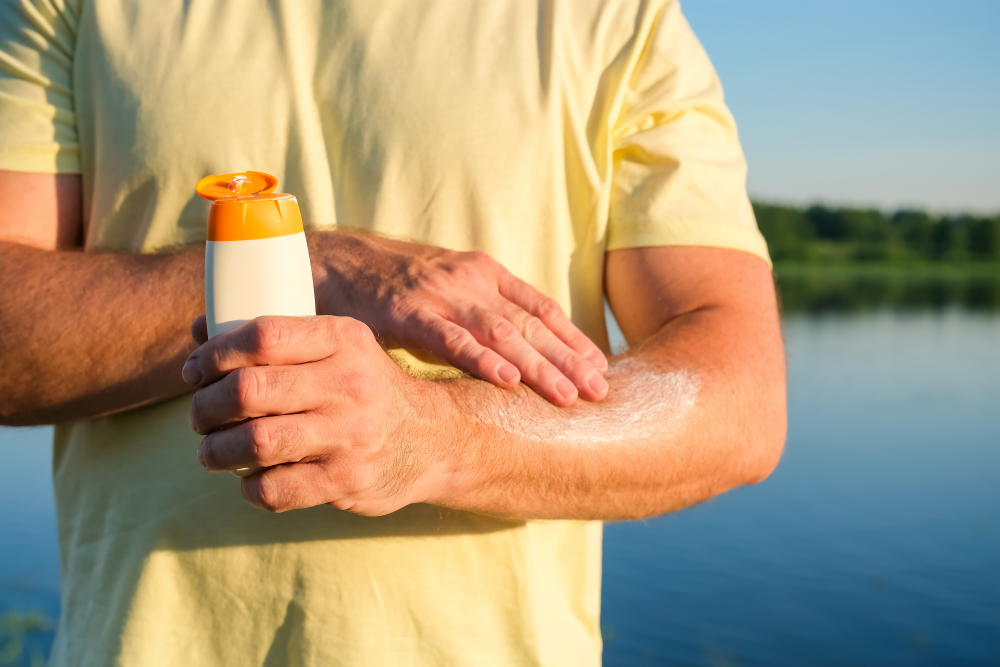
Slop on SPF 30 or higher broad-spectrum, water-resistant sunscreen, and reapply every two hours
-
Slap on a broad-brimmed hat
-
Seek shade
-
Slide on sunglasses
A free UV app, such as Cancer Council's SunSmart app, or the Bureau of Meteorology's daily UV forecast, makes it easy to know when protection is needed.
Make it part of the routine
The easiest way to make sure it happens is to treat your skin check like any other recurring commitment. Book it at the same time each year, perhaps alongside your year-end review, and encourage your family and team to do the same.
It's a small investment of time that could make a very large difference.
This article is general information only and is not medical advice. Please speak to your GP or a qualified health professional about your individual circumstances.
Share this

Seven traits and skills of an effective leader in business

The Most Overlooked Asset: Your Ability to Earn an Income